
Choosing the right wine can elevate any meal. However, many people feel confused. Understanding the basics of Perfect Wine Pairing makes the process simple and enjoyable.
Moreover, pairing wine correctly enhances both food and flavor. Therefore, learning a few key principles helps you dine with confidence.
Understanding the Basics of Perfect Wine Pairing
To begin with, balance is essential. APerfect Wine Pairing matches the intensity of food and wine. Light dishes need lighter wines. Rich meals require bold wines.
In addition, acidity plays a major role. Wines with high acidity pair well with fatty foods. This creates harmony on the palate.
Thus, knowing these basics makes pairing easier.
Match Flavors for Perfect Wine Pairing
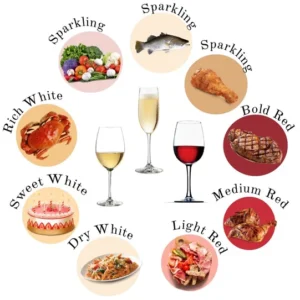
Flavor matching is a simple approach. For example, sweet wines go well with spicy dishes. Similarly, earthy wines complement mushrooms.
Also, consider the sauce more than the protein. Often, the sauce defines the taste. Therefore, a Perfect Wine Pairing depends on overall flavor, not just the main ingredient.
This method helps beginners choose wisely.
Red vs White in Perfect Wine Pairing
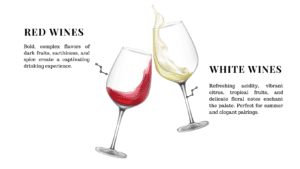
A common question is choosing between red and white wine. Generally, white wines pair with fish and chicken. Red wines match red meat.
However, rules can be flexible. For instance, a light red can work with grilled fish. Hence, Perfect Wine Pairing allows experimentation.
Rosé and sparkling wines are also versatile options.
Tips to Achieve Perfect Wine Pairing
There are simple tips to follow. First, keep sweetness in mind. The wine should be sweeter than the dish.
Next, avoid overpowering combinations. A strong wine can hide delicate flavors. Therefore, Perfect Wine Pairing requires balance.
Also, consider regional pairings. Foods and wines from the same region often match well.
Common Mistakes in Perfect Wine Pairing
Many people make similar mistakes. One mistake is ignoring acidity. Another is choosing wine based only on price.
Additionally, pairing very bitter wine with spicy food can clash. Thus, avoiding these errors improves your Perfect Wine Pairing experience.
Learning from mistakes helps refine your taste.
Food and Wine Pairing Examples
Examples make things clearer. Grilled steak pairs well with bold red wine. On the other hand, seafood works with crisp white wine.
Cheese and wine are classic combinations. Soft cheese pairs with light wine. Hard cheese matches stronger wine. Therefore, Perfect Wine Pairing depends on texture and taste.
Desserts usually need sweet wines. This creates a pleasant finish.
Importance of Texture and Weight
Texture matters as much as flavor. Light foods need light wines. Heavy dishes require full-bodied wines.
For example, creamy pasta pairs with rich wine. Meanwhile, salads go with fresh and light options. Hence, Perfect Wine Pairing balances both weight and texture.
This creates a smooth dining experience.
Seasonal Wine Pairing Tips
Seasonal choices also help. In summer, light and chilled wines are refreshing. In winter, bold and warm wines feel comforting.
Thus, adapting to seasons improves your Perfect Wine Pairing decisions.
Fresh ingredients also influence pairing. Always consider what is in season.
Experimenting with Perfect Wine Pairing
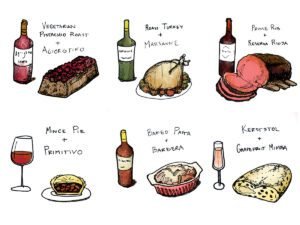
Experimentation is key. Try new combinations. Taste different wines with the same dish.
Sometimes, unexpected pairings work best. Therefore, Perfect Wine Pairingis both science and art.
Keep notes of what you like. This builds your personal preference.
Final Thoughts
Choosing wine does not have to be difficult. With simple rules and practice, anyone can master it. A Perfect Wine Pairing enhances flavor, mood, and experience.
In conclusion, trust your taste and enjoy the journey.
FAQs
1. What is Perfect Wine Pairing?
Perfect Wine Pairing is the process of matching wine with food to enhance flavors. It focuses on balance, taste, and texture to create a better dining experience.
2. How do I choose the Perfect Wine Pairing for a meal?
To achieve a Perfect Wine Pairing, match the intensity of the wine with the dish. Light foods go with light wines, while rich dishes need bold wines.
3. Can beginners easily learn Perfect Wine Pairing?
Yes, beginners can learn Perfect Wine Pairing by following simple rules like balancing flavors, considering acidity, and experimenting with different combinations.
4. What are common mistakes in Perfect Wine Pairing?
Common mistakes include ignoring acidity, choosing overly strong wines, and not matching flavors properly. Avoiding these helps improve your Perfect Wine Pairing skills.
5. Does Perfect Wine Pairing depend on personal taste?
Absolutely, Perfect Wine Pairing also depends on personal preference. While rules help, individual taste plays a key role in selecting the best combination.